
Get Energy Assessment Service in Wilmington, MA
Energy Assessment Services help Wilmington, MA property owners identify energy inefficiencies and recommend improvements for heating, cooling, insulation, and overall energy performance.
Energy assessment services help property owners in Wilmington, MA identify opportunities to improve the efficiency and performance of their buildings. These evaluations can reveal areas where insulation, windows, or HVAC systems may be underperforming, allowing owners to make informed decisions that enhance overall comfort and functionality. By understanding how energy flows through a property, owners can address potential issues that could lead to higher utility bills or uneven temperatures, creating a more consistent and enjoyable living or working environment.
Additionally, energy assessments can contribute to increased safety and durability by pinpointing structural or system inefficiencies that might cause long-term damage or safety concerns. Many property owners seek these services to boost curb appeal by ensuring their homes look well-maintained and operate smoothly. The insights gained from an assessment can lead to reduced maintenance needs and a more durable property, providing peace of mind and preserving the value of the investment over time.
- Residential Energy Assessments - suitable when homeowners want to identify ways to improve energy efficiency in their homes.
- Commercial Building Evaluations - needed for businesses seeking to reduce operational energy costs and optimize building performance.
- New Construction Energy Planning - important during the design phase to ensure energy-efficient building practices are incorporated.
- Existing Facility Audits - useful for property owners aiming to assess current energy use and identify potential upgrades.
- Energy Conservation Consultations - ideal for those interested in implementing strategies to lower energy consumption and costs.
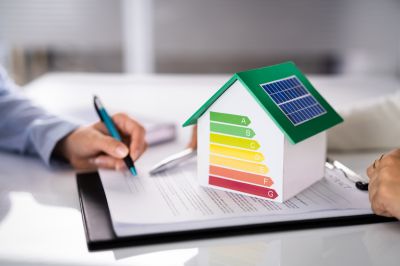

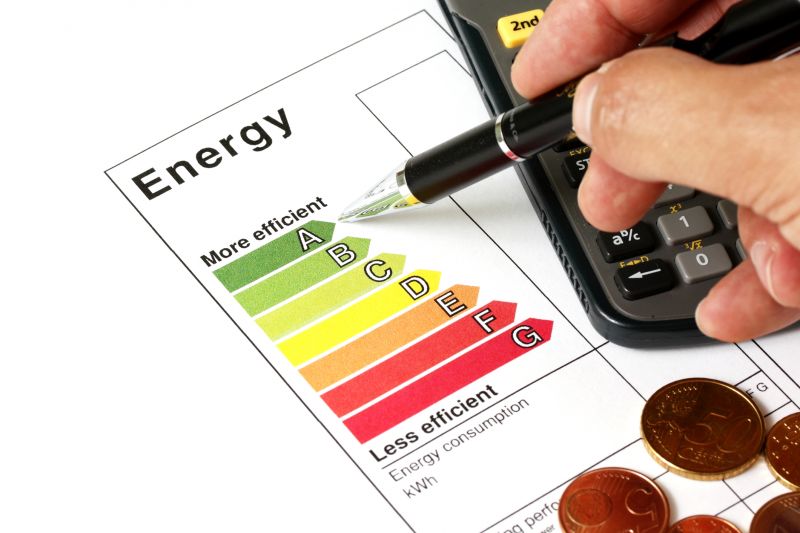
Energy assessment services involve evaluating a property's energy consumption to identify areas where efficiency can be improved. These assessments typically include analyzing heating and cooling systems, insulation levels, air leakage, and overall building envelope performance. The goal is to provide property owners with a clear understanding of how energy is used within the building and to highlight opportunities for reducing waste and optimizing energy use. Many assessments also include recommendations for upgrades or modifications that can enhance energy efficiency and potentially lower utility costs over time.
These services help address common problems such as high energy bills, uneven indoor temperatures, drafts, and inefficient HVAC systems. By pinpointing specific areas where energy is lost or wasted, property owners can make informed decisions about necessary improvements. This proactive approach can lead to better indoor comfort, reduced energy consumption, and long-term savings. Additionally, energy assessments can support compliance with local building codes or standards that encourage energy-efficient practices, making them a valuable step for property owners looking to improve their buildings' performance.
A wide range of properties typically utilize energy assessment services. Residential homes, especially older or poorly insulated houses, often seek evaluations to enhance comfort and reduce costs. Commercial buildings, including offices, retail spaces, and warehouses, also benefit from these assessments to improve operational efficiency and reduce energy expenses. Additionally, multi-family complexes and institutional facilities such as schools or healthcare centers may engage in energy assessments to meet regulatory requirements or sustainability goals. Regardless of property type, the insights gained from these evaluations can help owners and managers make informed decisions about energy management.
Professional providers of energy assessment services offer tailored evaluations suited to each property’s specific needs. They utilize specialized tools and techniques to gather data and analyze energy performance. Property owners interested in improving efficiency can contact local providers to arrange an assessment. These experts can deliver detailed reports that outline current energy usage patterns and suggest practical improvements. Engaging with qualified service providers ensures that assessments are thorough and actionable, helping property owners optimize energy consumption and enhance overall building performance.
The overview below groups typical Energy Assessment Service projects into broad ranges so you can see how smaller, mid-sized, and larger jobs often compare in Wilmington, MA.
In many markets, a large share of routine jobs stays in the lower and middle ranges, while only a smaller percentage of projects moves into the highest bands when the work is more complex or site conditions are harder than average.
Assessment Fees - Typical costs for energy assessments range from $200 to $500, depending on the size and complexity of the property. Larger or more detailed evaluations may cost more, sometimes exceeding $600. Local service providers can provide specific quotes based on individual needs.
Inspection Expenses - Inspection fees generally fall between $150 and $400 for standard energy assessments. Additional services or advanced testing can increase costs, with some inspections reaching up to $700. Prices vary based on property type and scope of work.
Report Costs - The cost for detailed energy reports usually ranges from $100 to $300. More comprehensive or customized reports might cost more, especially for larger commercial properties. Local pros typically include report generation in their overall assessment pricing.
Consultation Charges - Consultation fees for energy efficiency advice typically start at around $100 and can go up to $250. Some providers include consultation as part of the assessment package, while others charge separately. Exact costs depend on the extent of guidance needed.
Actual totals will depend on details like access to the work area, the scope of the project, and the materials selected, so use these as general starting points rather than exact figures.
Commercial Energy Assessments - Professionals evaluate business facilities to identify opportunities for energy efficiency improvements and cost savings.
Residential Energy Audits - Local service providers analyze homes to determine ways to optimize energy use and reduce utility bills.
Building Energy Modeling - Experts create detailed simulations of building energy performance to inform renovation or new construction projects.
Energy Efficiency Consulting - Specialists offer guidance on best practices and technologies to enhance energy performance in various properties.
Indoor Air Quality Assessments - Service providers examine indoor environments to identify energy-related factors affecting air quality and comfort.
Renewable Energy Feasibility Studies - Professionals assess the potential for integrating renewable energy systems into existing structures for improved efficiency.
Energy assessment services are provided by a variety of local professionals who bring different levels of experience and expertise to the process. When comparing options, it’s helpful to review each provider’s background in conducting assessments, including the types of properties they have worked with and their familiarity with local building codes and climate considerations. Understanding their written expectations, such as what the assessment covers and what homeowners can anticipate in terms of findings and recommendations, can help clarify the scope of services offered.
Reputable references are an important factor in evaluating local energy assessment providers. Homeowners may seek out reviews or testimonials from previous clients to gain insight into the quality of service and professionalism. It’s also beneficial to ask providers for examples of past work or references that can verify their experience and reliability. This can help ensure the selected professional has a history of delivering thorough assessments and clear communication.
Effective communication is essential when working with energy assessment providers. Clear, prompt, and transparent interactions can make the process smoother and help ensure expectations are aligned. Homeowners should consider how responsive and informative the provider is during initial inquiries, as well as their ability to explain assessment findings in understandable terms. Since the information below connects users with local pros and does not perform the work itself, it’s recommended to contact multiple providers to compare how they communicate and to gather detailed information about their services before making a decision.
Property owners in Wilmington, MA use Energy Assessment Service services for practical projects around their homes and businesses. The sections below highlight everyday jobs and straightforward project options.


Energy assessment services are often sought by property owners in Wilmington, MA, who want to identify ways to improve the comfort and efficiency of their homes. These assessments can help pinpoint areas where heat or air leaks are causing higher utility bills, or where insulation may be lacking. Homeowners may also look for this work when planning renovations or upgrades, aiming to make informed decisions that enhance energy performance and reduce overall costs.
Additionally, property owners might pursue energy assessments to better understand their current energy usage and explore potential improvements. This can be especially helpful when considering new heating or cooling systems, or when trying to meet specific comfort goals. Local service providers can assist with these evaluations, providing insights that support smarter investment in home upgrades and energy-saving measures.
What is an energy assessment service? An energy assessment service evaluates a property’s energy use and identifies ways to improve efficiency, often involving inspections and analysis by local service providers.
How can an energy assessment benefit my property? An assessment can help identify opportunities to reduce energy consumption, lower utility bills, and improve overall comfort by recommending suitable upgrades or modifications.
Who provides energy assessment services? Local contractors and service providers specializing in energy evaluations conduct these assessments and can offer tailored recommendations.
What should I expect during an energy assessment? A professional will inspect your property’s systems, insulation, and appliances to gather data, then provide insights on potential improvements.
How do I find local energy assessment providers? You can contact local service providers specializing in energy evaluations to schedule an assessment for your property.
Energy Efficiency Assessments - Local service providers can evaluate your property to identify opportunities for improving energy performance and reducing consumption.
Home Energy Audits - Professionals can conduct comprehensive assessments to pinpoint areas where energy savings can be achieved in residential buildings.
Building Envelope Inspections - Experts can assess insulation, windows, and sealing to enhance energy retention and overall efficiency.
Customized Recommendations - Service providers can offer tailored suggestions to optimize energy use based on the specific characteristics of your property.
Considering Energy Assessment Service for a property in Wilmington, MA? The sections above highlight common project types, practical options, and details that often shape the scope of work.
When you are ready, use the quote form to share a few details about your project. Local pros can review the basics and respond with options that match what you have in mind.