
Get Smart Home Automation in Norfolk County, MA
Smart Home Automation services for property owners in Norfolk County, MA, and nearby areas address issues like security, convenience, and energy management through custom system installations and integrations.
Smart home automation services are increasingly popular among property owners in Norfolk County, MA, seeking to enhance daily living through integrated technology. These systems offer practical benefits such as improved comfort and convenience, allowing residents to control lighting, climate, and security features effortlessly from smartphones or centralized panels. By automating routine tasks, homeowners can enjoy a more functional living environment that adapts seamlessly to their lifestyle needs, making daily routines simpler and more efficient.
In addition to comfort and convenience, many property owners consider smart home automation for its safety and durability advantages. Automated security systems, surveillance cameras, and smart locks provide added peace of mind, while integrated systems can alert residents to potential issues promptly. These services often lead to reduced maintenance requirements and increased curb appeal, as modern automation can enhance the overall appearance and value of a property. Local service providers can help tailor solutions that boost both the practicality and aesthetic appeal of homes in the area.
- Smart Home Automation Services - individuals seeking to enhance convenience and control over household devices may consider automation solutions.
- Lighting Control - homeowners wanting to manage lighting remotely or set schedules often benefit from automation systems.
- Security System Integration - those looking to improve home security with remote monitoring and automated alerts may explore automation options.
- Climate Control Automation - residents aiming to optimize heating and cooling for energy efficiency might find automation services helpful.
- Entertainment System Integration - households wanting seamless control of audio and video devices across multiple rooms can utilize automation services.
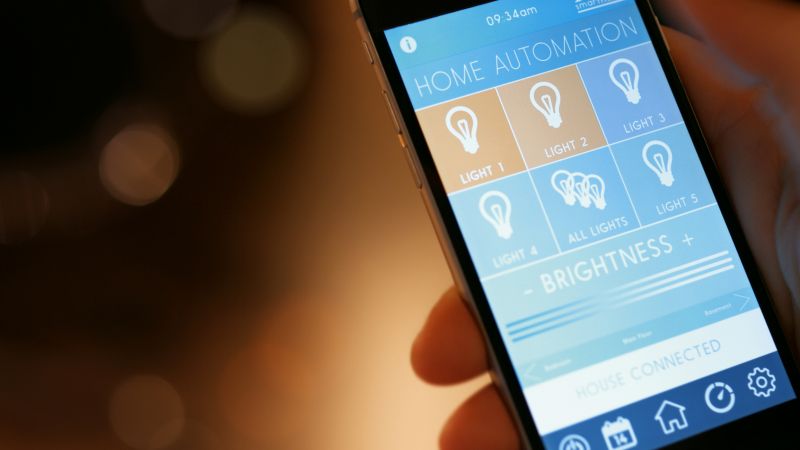
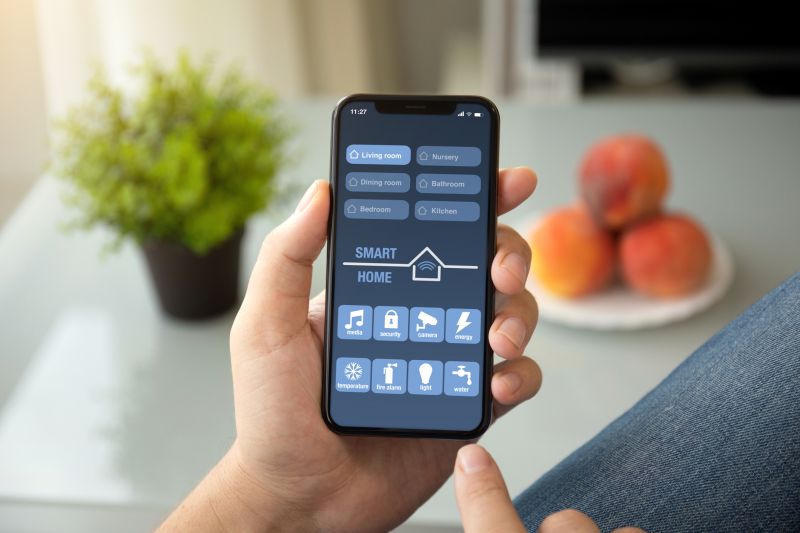
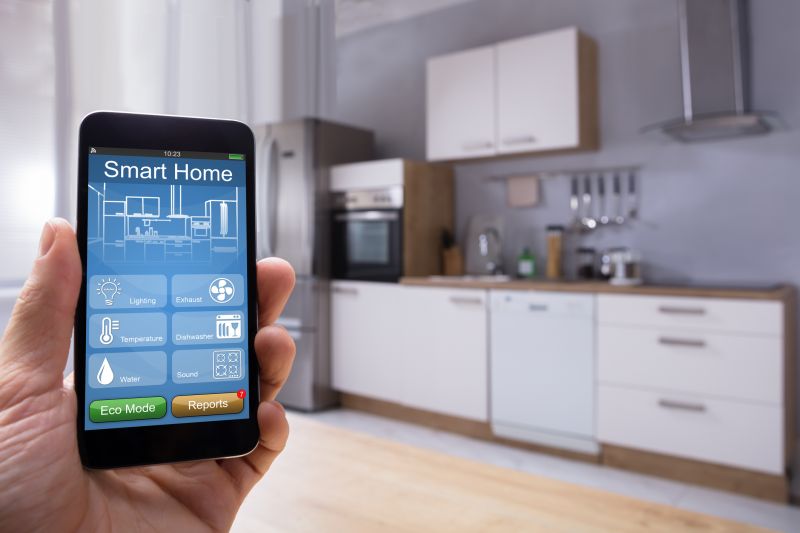
Smart home automation services involve the integration of various connected devices and systems within a property to enable centralized control and automation of everyday functions. These services typically include setting up smart lighting, thermostats, security cameras, door locks, and entertainment systems, allowing homeowners or property managers to manage these features remotely or through automated routines. The goal is to enhance convenience, improve energy efficiency, and provide a seamless user experience by enabling control from smartphones, tablets, or voice-activated assistants.
One of the primary benefits of smart home automation is its ability to address common household challenges. Automated lighting can improve security by simulating occupancy when residents are away, while smart thermostats help optimize heating and cooling to reduce energy waste. Security systems with integrated cameras and sensors provide real-time monitoring and alerts, helping to prevent theft or unauthorized access. Additionally, automation can simplify daily routines, such as turning on lights at sunset or adjusting the temperature based on occupancy, contributing to a more comfortable living environment.
These services are often utilized in a variety of property types, including single-family homes, multi-unit residential buildings, and commercial spaces. Residential properties benefit from enhanced security, energy management, and convenience features, making everyday life more efficient. Commercial properties, such as offices or retail spaces, may use automation to streamline operations, improve security, and manage environmental controls. The versatility of smart home automation makes it applicable across different property sizes and types, providing tailored solutions to meet specific needs.
Connecting with local service providers can help property owners and managers implement smart home automation systems effectively. These professionals can assess the property’s requirements, recommend suitable devices, and handle the installation process. By leveraging local expertise, clients can ensure that their automation systems are integrated smoothly and function as intended. This approach allows property owners to enjoy the benefits of smart technology without the complexities of managing the installation themselves.
The overview below groups typical Smart Home Automation projects into broad ranges so you can see how smaller, mid-sized, and larger jobs often compare in Norfolk County, MA.
In many markets, a large share of routine jobs stays in the lower and middle ranges, while only a smaller percentage of projects moves into the highest bands when the work is more complex or site conditions are harder than average.
Installation Costs - The initial setup for smart home automation systems typically ranges from $1,500 to $5,000, depending on the complexity and number of devices. Basic systems may cost around $1,500, while comprehensive setups can reach higher amounts.
Device Expenses - Individual smart devices such as thermostats, lighting, or security cameras usually cost between $50 and $300 each. The total device cost depends on the number and type of devices selected for the system.
Monthly Service Fees - Some smart home services involve ongoing subscription fees, which can range from $10 to $50 per month. These fees often cover cloud storage, remote access, and system updates.
Maintenance and Upgrades - Periodic maintenance or upgrades for smart home systems may cost between $100 and $400 annually. Costs vary based on system complexity and the need for hardware or software updates.
Actual totals will depend on details like access to the work area, the scope of the project, and the materials selected, so use these as general starting points rather than exact figures.
Smart Lighting Automation - Local service providers can install systems that enable remote control and scheduling of lighting to enhance convenience and energy efficiency in homes.
Security System Integration - Pros offer solutions to connect cameras, alarms, and sensors for comprehensive home security management accessible through smart devices.
Climate Control Automation - Contractors can set up automated thermostats and HVAC controls to optimize indoor comfort and reduce energy use.
Voice-Activated Home Systems - Service providers can integrate voice control technology with existing smart home devices for hands-free operation.
Smart Door Locks and Access - Local pros install and configure electronic locks that allow keyless entry and remote access management.
Home Entertainment Automation - Professionals can connect audio and video systems for centralized control and seamless entertainment experiences.
When evaluating local professionals for Smart Home Automation services, experience is a key factor to consider. Homeowners should seek out providers with a demonstrated history of installing and configuring smart home systems in residential settings similar to their own. A contractor’s portfolio or references can offer insight into their familiarity with various automation technologies and their ability to handle projects of different complexities. Clear, written expectations regarding scope of work, deliverables, and project milestones can help ensure alignment and prevent misunderstandings throughout the installation process.
Reputable references and testimonials can serve as valuable indicators of a contractor’s reliability and quality of service. Homeowners are encouraged to inquire about past clients’ experiences, particularly those with similar project requirements. While the information below introduces local options, it does not perform the work itself; instead, it connects users with trusted local professionals. Verifying references and seeking out reviews from previous clients can help gauge a contractor’s reputation and their track record of successful, satisfactory installations.
Effective communication is essential when working with a Smart Home Automation provider. Clear, consistent dialogue helps ensure that homeowners’ expectations are understood and met. Homeowners should look for professionals who are responsive, transparent about their processes, and willing to answer questions thoroughly. Since this platform does not directly provide services, it’s advisable to contact multiple local providers to discuss project details, clarify expectations, and assess their responsiveness. Choosing a contractor with strong communication skills can contribute to a smoother installation experience and a more satisfying outcome.
Property owners in Norfolk County, MA use Smart Home Automation services for practical projects around their homes and businesses. The sections below highlight everyday jobs and straightforward project options.

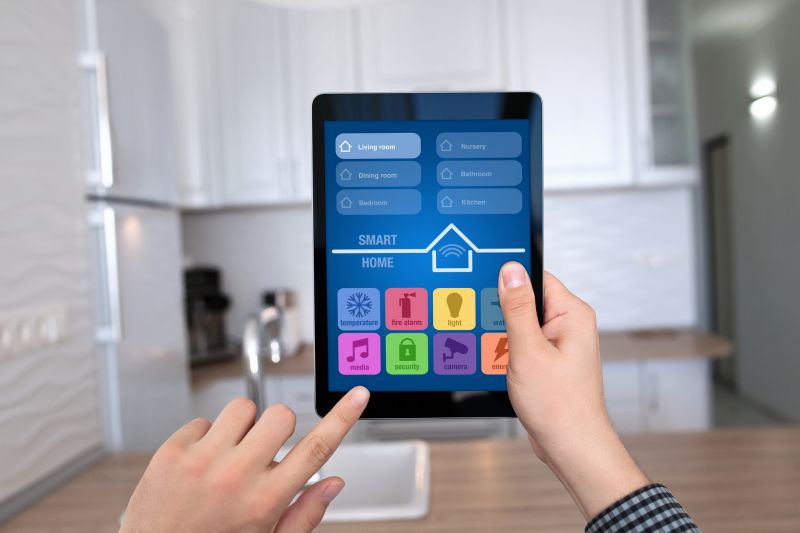
Smart home automation services are often sought by property owners in Norfolk County, MA who want to enhance convenience and efficiency within their homes. Many residents look for solutions to control lighting, thermostats, and security systems remotely, making daily routines more manageable. These upgrades can also help streamline energy use and improve overall home management, especially for those interested in modern technology integrations.
Additionally, property owners may pursue smart home automation to increase security and safety. Installing automated door locks, surveillance cameras, and alarm systems can provide peace of mind and easier access management. Local service providers can assist with customizing these systems to fit specific needs, ensuring that homes in Norfolk County are equipped with practical, user-friendly automation solutions.
What is smart home automation? Smart home automation involves integrating devices and systems to enable remote control and automation of home functions such as lighting, climate, security, and entertainment through connected technology.
How can smart home automation improve my home? It can enhance convenience, improve energy efficiency, and increase security by allowing remote management and automated routines for various household systems.
What types of devices are typically included in smart home automation? Common devices include smart thermostats, lighting controls, security cameras, door locks, and voice-activated assistants.
Is professional installation necessary for smart home automation systems? While some systems may be DIY-friendly, many require professional installation to ensure proper setup and integration with existing home infrastructure.
How do I find local pros for smart home automation services? Contact local service providers or contractors who specialize in smart home technology to discuss your needs and schedule an installation or consultation.
Smart Lighting Control - Local service providers can install automated lighting systems that allow remote control and scheduling to enhance convenience and energy efficiency.
Home Security Integration - Pros can incorporate smart security devices such as cameras, doorbells, and sensors to improve home monitoring and safety.
Automated Climate Management - Service providers can set up smart thermostats and climate control systems that adapt to your preferences and routines.
Voice-Activated Home Systems - Local experts can integrate voice control solutions to enable hands-free operation of various smart home devices.
Considering Smart Home Automation for a property in Norfolk County, MA? The sections above highlight common project types, practical options, and details that often shape the scope of work.
When you are ready, use the quote form to share a few details about your project. Local pros can review the basics and respond with options that match what you have in mind.